


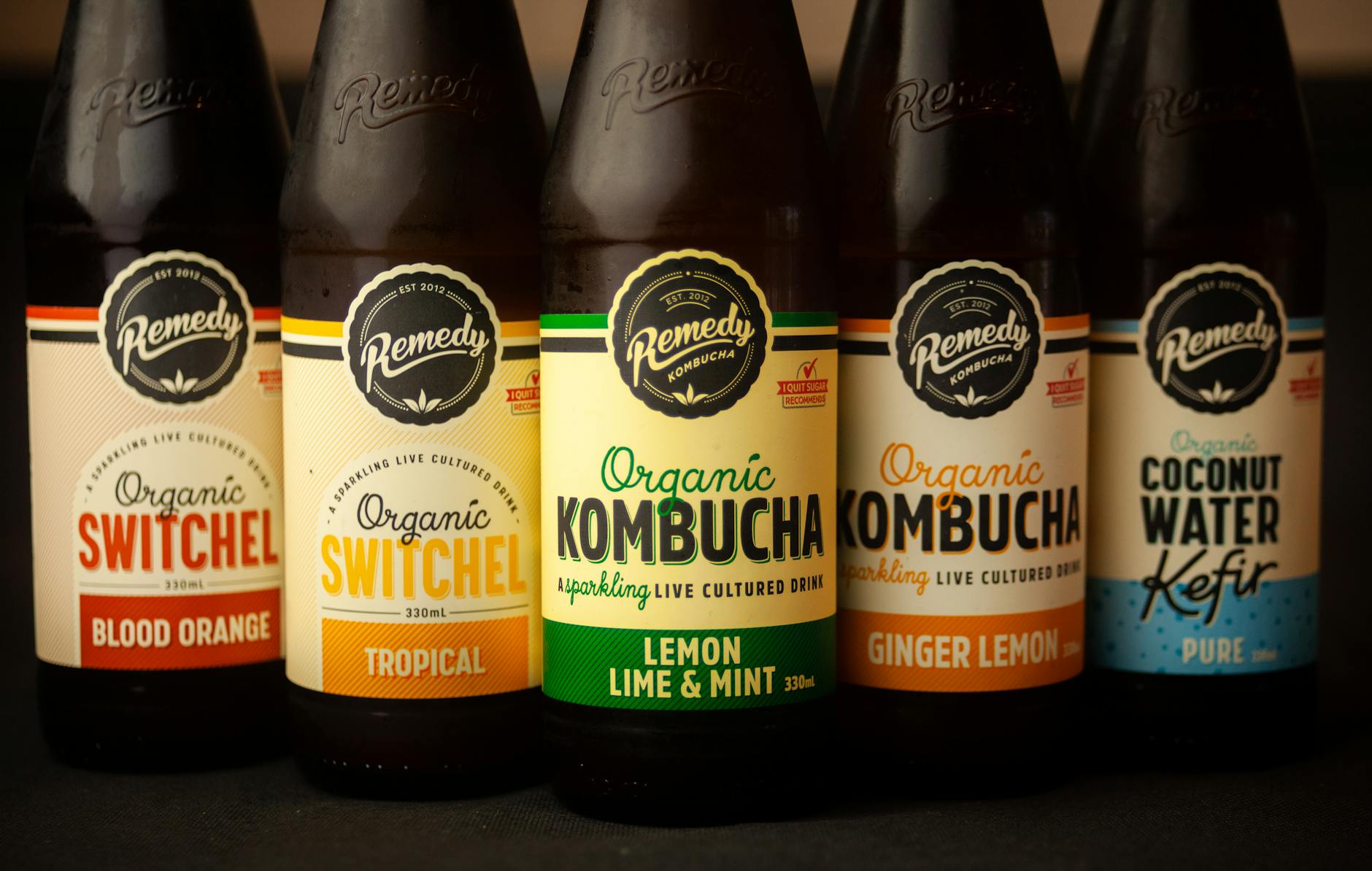
Kombucha is a probiotic, fermented tea beverage made with bacterial cultures and yeast, otherwise known as SCOBY (Symbiotic Cultures of Bacteria and Yeasts). Typically, kombucha is prepared with black tea and sugar. The addition of the SCOBY converts the sugar to alcohol (yeast fermentation) and then the alcohol is converted to acetic acid (bacterial fermentation) to create a fizzy carbonated drink.
Kombucha is traditionally brewed at a cool room temperature (68F/20C or below) for a period of 7–14 days, the temperature and short fermentation of the yeast and bacteria keep its alcohol content less the 0.05% ABV. Commercially available kombucha is not considered an alcoholic beverage and can be purchased by minors (under 21 years). Also of note, Islamic authorities have specifically named kombucha permissible or Halal, due to its non-intoxicating alcohol level and health benefits in alignment with Muslim beliefs. All that said, recovering alcoholics may find its 0.05% alcohol content high enough to trigger an alcohol craving and therefore avoid the beverage. Finally, double fermentation can produce a “hard” kombucha with an alcohol content >3% which is like beer.
Health Benefits
Kombucha’s health benefits are derived from both the tea and the fermentation process. It is rich in probiotics, which can help keep gut flora healthy and functioning properly, decrease inflammation, and support the immune system. From the tea, kombucha provides minerals (potassium, manganese, fluoride ions), vitamins (E, K, B), and amino acids, The fermentation process also yields other compounds from the tea such as polyphenols (flavonoids), whose antioxidant potential has numerous health benefits, such as reducing cholesterol levels, decreasing the spread of cancer, improving liver and gastrointestinal functions, and boosting the immune system.
The type of tea influences the kombucha’s antioxidant potential, pH, as well as the content of acetic acid, alcohol or sugar. Various tea types can be used to produce kombucha, including green tea. However, black tea and white sugar are considered the traditional and best ingredients to bring about its many health well as its healthy properties. The taste of the drink can be described as sour, slightly fruity and delicately sparkling.
Why Drink Kombucha?
Unhealthy lifestyle, intense physical exercising, stress, and environmental pollution can lead to a disturbance in physical homeostasis or balance that increases vulnerability to free radicals. An excess of free radicals can lead to inflammation, oxidative stress and damage to the structures of the body. Illnesses caused by free radical disorders include atherosclerosis, neurodegenerative diseases, such as Parkinson’s or Alzheimer’s disease, or even obesity. The best defense against free radicals is antioxidant-rich diet of foods and beverages, such as tea, coffee, fruits, vegetables, spices and herbs. Kombucha is a great addition to a healthy diet for both its probiotic and antioxidant properties.
Start Slowly
It is important to add kombucha to your diet in small quantities. The Centers for Disease Control (CDC) recommend 4 oz. of kombucha, one to three times a day. For my clients, I recommend starting even smaller with 2 oz. once per day for one week, and then gradually increasing the daily quantity. This will allow your body to adjust and find the best level for you. Overconsumption can lead to headache, nausea, gastrointestinal distress, or even ketoacidosis. A few populations should avoid kombucha: pregnant and breastfeeding women, children, and individuals with liver or kidney disease, HIV, impaired immune systems, and alcohol dependency.
Delicious kombucha can be purchased at nearly any grocery or convenience store. It may take a few tries to find your favorite brew, so avoid buying large quantities at first.
Interested in making your own Kombucha? Here is a great site to get your started…Revolution Fermentation
For more information about healthy nutrition and lifestyle changes, contact Karen Kruza, Registered Dietitian Nutritionist at Kruza Nutrition.

 truefoodfeed